


Leadership, Culture and the Right Fit: Why Harrison Holgate is Supporting Men’s Health Matters
What elite sport can teach us about workplace leadership
In high-performing environments, talent matters. Technical ability matters. Experience matters.
Thrive4Life’s Men’s Health Matters campaign has powerfully highlighted that performance is never just about individual capability. It is shaped by the environment people operate in, the leadership around them, the trust within the team and whether individuals feel able to speak up, seek support and perform as themselves.
For Harrison Holgate, a specialist recruitment agency working within the Lloyd’s and wider insurance market, this is a message that resonates strongly.
As a Sponsor of the Men’s Health Matters campaign, Harrison Holgate’s support reflects an important belief: that healthier, more effective workplaces are built not only through policy or wellbeing initiatives, but through the quality of the people and leaders organisations bring into their teams.
Recruitment is never simply about filling a role. At its best, it is about understanding fit, not just technical fit, but cultural fit, leadership fit and team fit. It is about recognising the kind of person who will strengthen a team, support others, handle pressure well and contribute to an environment where people can thrive.
That message came through strongly in Thrive4Life’s campaign flagship interview with Ben Youngs, England’s most capped men’s rugby player this June.
Although Ben’s career sits in elite sport, many of the themes he explored have clear relevance for the workplace: leadership styles, pressure, resilience, trust, role clarity, team dynamics, mental health and the importance of seeking support early.
For the Lloyd’s and London insurance market, where performance, relationships, judgement and trust are central, these lessons feel especially relevant.
Leadership sets the emotional tone
One of the strongest themes from the Ben Youngs interview at Lloyd’s was that leaders do more than set standards. They set the emotional tone of the environment.
In sport, as in business, leaders influence whether people feel confident or uncertain, trusted or second-guessed, supported or isolated. They help determine whether a team pulls together under pressure, or whether stress and confusion take over.
Ben spoke about the different leadership styles he experienced across his rugby career. What stood out was that effective leadership is not about one fixed style. It is about creating alignment, building belief and understanding what different people need in order to perform.
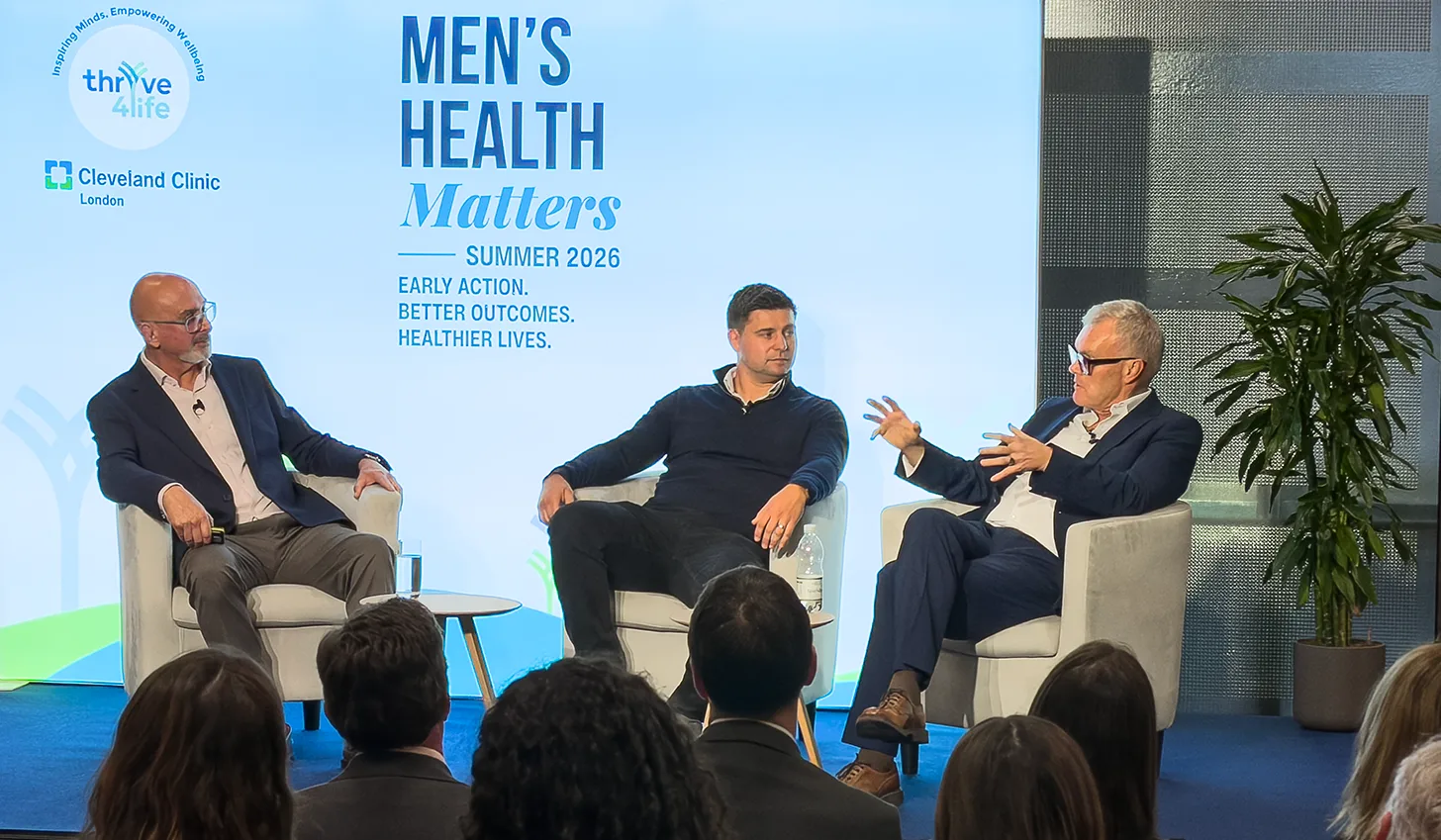
Men’s Health Matters launched at the Lloyd’s Building with a flagship interview featuring England’s most-capped men’s rugby player, Ben Youngs, opening conversations around leadership, resilience, health and the importance of taking early action.
Watch the full interview recording →
That is a valuable lesson for employers recruiting into senior roles. Technical experience and market knowledge matter, but they are not enough on their own.
The right leader creates clarity, confidence and momentum. The wrong fit, even with a strong CV, can create pressure and disengagement.
For Harrison Holgate, this is where specialist recruitment adds real value. In a technical, relationship-driven market such as insurance, the best appointment is not just the person who can do the job on paper. It is the person who can succeed in that specific team, culture and stage of the organisation’s journey.
The right leader creates clarity, confidence and momentum. The wrong fit, even with a strong CV, can create pressure and disengagement.
Alignment, trust and clarity
Ben described successful teams as being built on alignment: everyone understands the plan, their role and how to respond when pressure rises.
Without that clarity, people quickly develop different priorities, different interpretations and different versions of what has gone wrong. In high-pressure environments, that can unravel a team fast.
The same is true in business.
In the insurance market, where teams manage complex clients, deadlines, renewals, claims, regulation and constant change, clarity is essential. People need to know what they are working towards, trust those around them and be led by people who can communicate clearly under pressure.
That does not happen by accident. It comes from the right leadership, the right culture and the right people in the room.
This is where recruitment directly affects wellbeing. The wrong leadership fit can increase stress and friction. The right fit can build confidence, reduce pressure and create the conditions for people to thrive.
Attitude, coachability and resilience
Another powerful theme from the interview was attitude.
Ben reflected that getting into the Leicester Academy as a young talented player was only the beginning. Talent opened the door, but attitude determined what happened next. Discipline, motivation, learning from others and being proactive mattered just as much as ability.
For recruitment, this is a crucial point.
Skills can be developed. Knowledge can be built. Market understanding can deepen. But attitude, coachability and resilience are harder to create from scratch.
The workplace is no different to elite sport in this respect. In a demanding insurance environment, employers need people who can handle pressure, learn quickly, work collaboratively and respond constructively when things do not go to plan.
This matters even more in leadership roles, where one person’s attitude can influence the whole team.
The best leaders are not those who never face pressure. They are those who stay open, self-aware and constructive when pressure arrives.
Four recruitment takeaways for leadership roles
The Ben Youngs interview offers several useful reminders for organisations recruiting into leadership and team-critical roles.
- Recruit for impact, not just experience
A strong CV tells you what someone has done. It does not always tell you how they will lead. - Test for clarity under pressure
The best leaders simplify, align and steady the team when things get difficult. - Prioritise attitude and coachability
Skills can be built. Openness, resilience and the ability to learn are harder to manufacture. - Consider the ripple effect
Every hire changes the environment. The right leader builds trust. The wrong fit creates pressure.
Why Harrison Holgate is supporting Men’s Health Matters
Harrison Holgate’s support for Men’s Health Matters reflects something they care deeply about: finding the right fit.
As a specialist recruitment agency in the insurance market, Harrison Holgate knows that people decisions shape culture. The right appointment can strengthen a team, build trust and create an environment where people feel supported, valued and able to perform at their best.
That is especially true in leadership roles. The right leader does more than deliver results. They set the tone, create confidence and help people feel able to speak up when pressure builds.
Ben Youngs’ story brought that message to life. His reflections on leadership, pressure, vulnerability and seeking help early reminded us that even the highest performers need support.
That is why Harrison Holgate is proud to support Men’s Health Matters.
Because when organisations get leadership fit right, they do more than improve performance.
They create workplaces where people can thrive.
Discover Harrison Holgate
Harrison Holgate is a specialist recruitment consultancy serving the London, Lloyd’s and regional insurance and financial services markets. With deep sector expertise and a relationship-led approach, they help organisations recruit exceptional talent and build leadership teams that strengthen culture, performance and long-term success.
Find Out More About Men’s Health Matters
Explore the campaign, access the free webinar series and discover how workplaces across the City are supporting earlier conversations, earlier action and better health outcomes for men, teams and wider workplace communities.
Categories
